I keep my starters in plastic cups from good foods coop because I can throw them away at times after reuse without mess. I cover with plastic covers someone gave me in bulk and use a rubber band to keep out fruit flies.
I've also use mason jars(but prepare to clean a really difficult mess). Wide mouth jars are best. I use a silicon spatula to stir. You can cover with a towel and rubber band also. I've done both. Whatever you have at hand that makes it efficient for the clean up after in the quantity you want to bake. I typically keep back up on my fridge but I bake frequently so I never put my active starter in the fridge. You want air flow to reach the starter, without flies. Some people use paper towels to cover.

Once you have sourdough starter, you can feed your starter once a day. If you do not plan to use it to bake soon, place in fridge in sealed container and halt on feedings. It may get liquid on the top, don't fear, that's just telling you it's hungry. You can take it out of the fridge, stir the liquid in or toss it and feed as normal. Feed for a few days before baking if you've used your fridge to maintain healthy activity levels.
Ratio to feed!
You don't need a fancy scale, but it helps. You can measure with utensils or weight. I like the 1:1:1 ratio, especially for beginners. For example, half cup starter, half cup CLEAN FILTERED water and half cup UNBLEACHED unenriched flour. Using tap water or bleached flour might not kill your starter immediately but over time, it will certainly.
For one loaf of bread I would typically do 40 grams of starter, 40 grams water, 40 grams of flour I then would have 120 grams of starter and use 100 grams to make bread and keep the leftover 20 and feed it.
Every once in a while I like to either use half all purpose and half whole wheat flour for a feeding or two. Or go up to feeding double the flour ratio.
In sourdough, we really do overcomplicate things. You don't have to have exact amounts. I don't know how many times I've eye balled my starter and just fed accordingly. The important thing is consistency for building up healthy activity and proof times to make really great bread. It also learning how to eyeball amounts and get the consistency of starter that works for you.
Whatever you are feeding your starter, then becomes more starter. Every time you feed it 1:1:1, you're tripling the amount of starter you have. So unless you plan to bake a LOT of never ending bread, the general rule is toss half out before feeding. To minimize waste, I cook with sourdough discard(some great online recipes) or I feed some to my chickens. They are one of the few animals that can tolerate how the starter expands in their stomachs. Sourdough is not safe for a dog until after it's cooked or it can cause tremendous stomach upset.
When to use starter
It's important to use starter at its highest activity peak. Usually when it's about doubled. This can depend on your kitchen temperature. Typically 4-8 hours. In my kitchen currently, I typically use around 6-8 hours.
You can use a rubber band or marker to mark where the starter line is and once it's doubled that line, time to bake.
Eventually you'll learn to eyeball this too.
Sourdough is mainly thinking and planning ahead.
My recipe for sourdough bread takes 100 grams a loaf of bread of starter. And typically I feed my starter in the afternoon and make it at night. This isn't ideal for everyone because it involves alarm clocks to wake and do stretch and folds. Normally you'd feed your sourdough before bed and start your bread first thing in the morning but as a mom, my routine is just different.
Just because your starter doesn't fully rise or it dries on top, doesn't mean it's dead. Soemtimes starter needs a break or extra feeding. Mold is just about the only indicator a starter is trash to me.
Making your own starter
If you aren't acquiring a starter that's already been active via someone else, and you're just starting one, keep it going for at least a month or two until you ever attempt to use it! It needs to gain its life over time and will not yield a good loaf and also may not be on the safer side to consume.
Making your own starter is very easy but takes time! Simple as one tablespoon all purpose flour. One tablespoon of filtered or distilled water at room temp! Or measure the same ratios. Start small, it's only wasteful to not. Once a day discard half, and feed whatever amount of starter you chose with the same ratio of more all purpose flour and water. You may get a false rise, doesn't mean it's ready to bake with until you've actually sustained it for a month or two.
PRODUCTS I USE AND RECOMMEND FROM AMAZON!
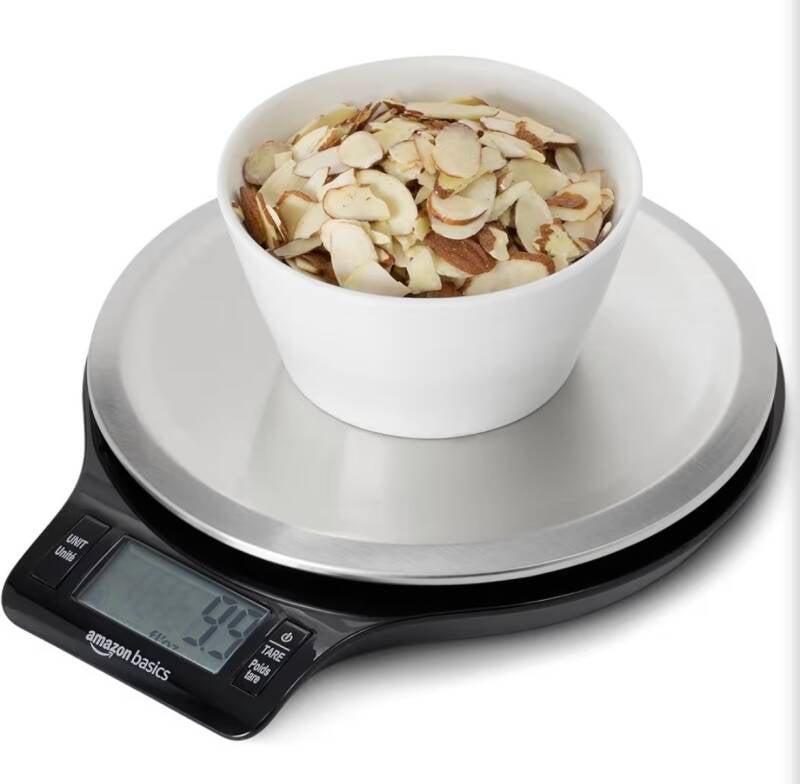
Kitchen scale⬇️
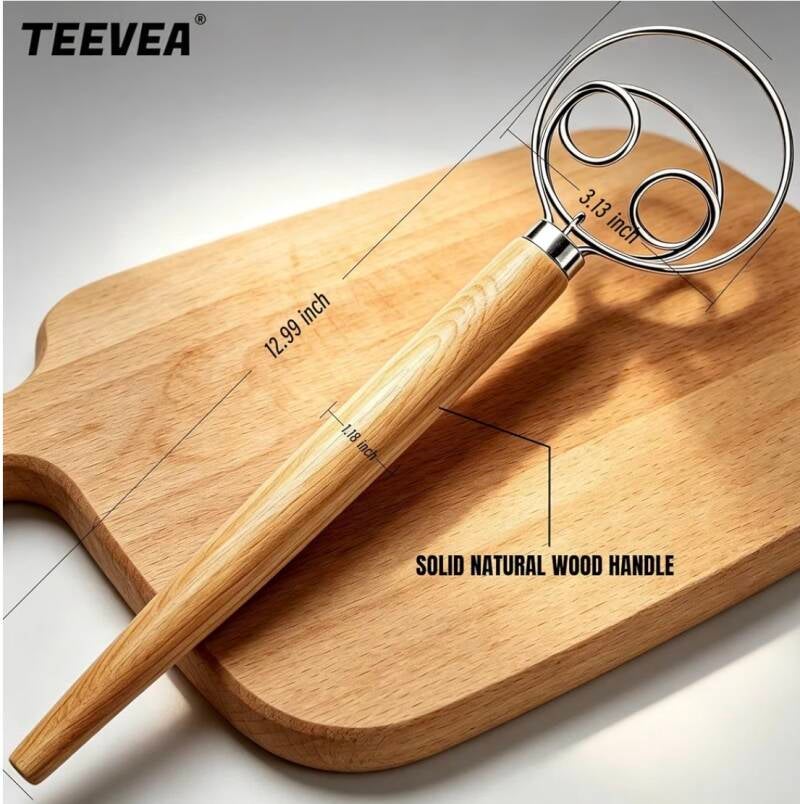
DANISH WHISK⬇️
Overall great tool for many uses but mainly when I add water to my starter, prior to adding the bread flour.
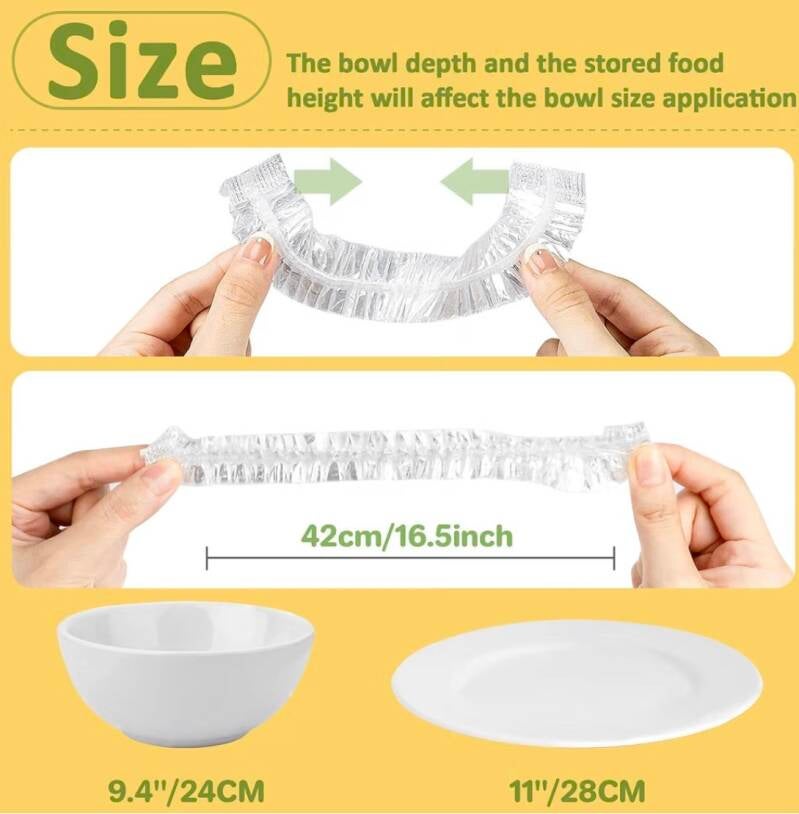
COVERS FOR STARTER⬇️
When I proof my bread I use linens towels and a linen reusable version of this but for starter I've found it's easiest to use these a few times and then toss them. Sourdough starter is messy. Remember to not let sourdough clog your pipes and drains!
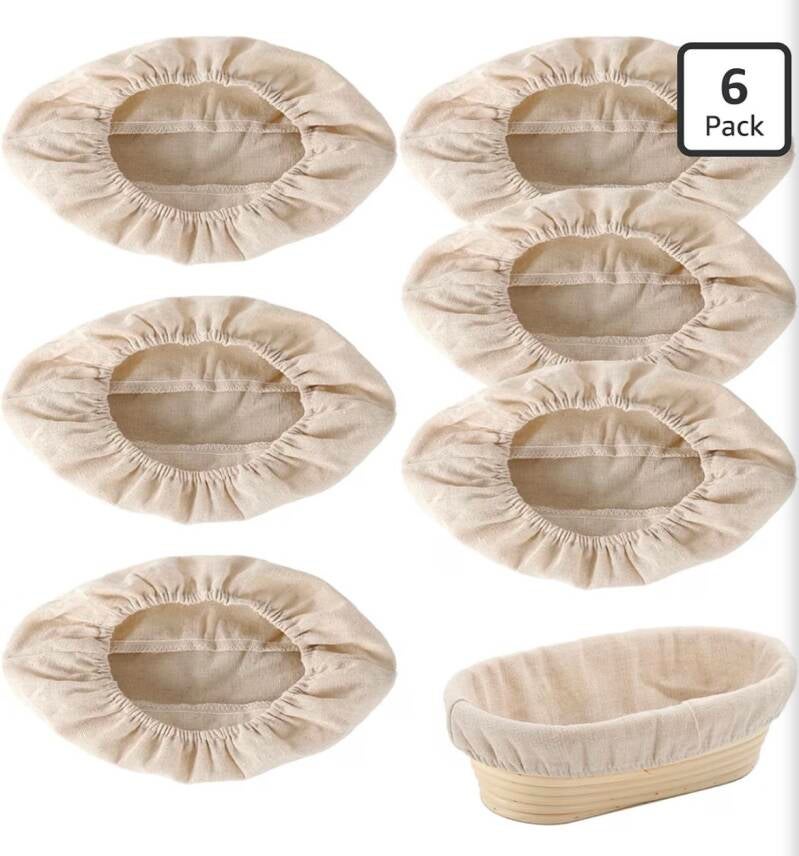
LINEN COVERS REUSABLE FOR PROOFING BREAD⬇️ 6 PACK
I use these to cover my bannetons when I place them in the fridge. They are perfect. I no longer have to worry about having a clean linen towel covered and folded over it, plus a Kroger bag. I just use this and pop in the fridge. It also helps the sourdough form a crust which I've found is ideal when cold fermentation occurs.
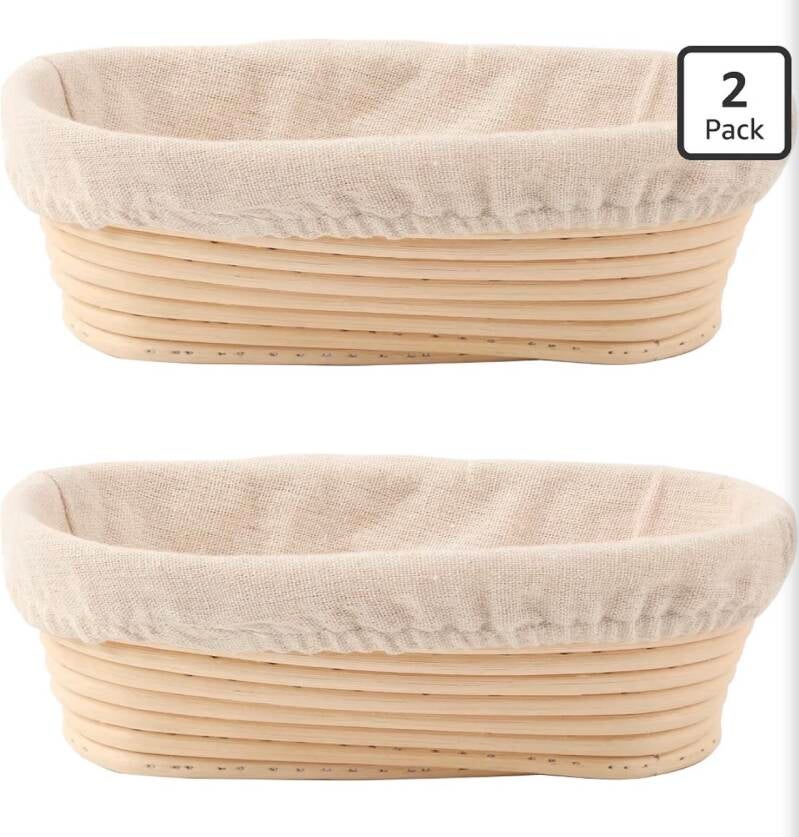
SET OF 2 oval bannetons with linen inner liners (washable) ⬇️
These are ideal to silicon or using bowls I've found. The bamboo banneton absorbs excess moisture during cold proofing and the linen liner makes it easy for dough not to stick and stay non toxic as possible.
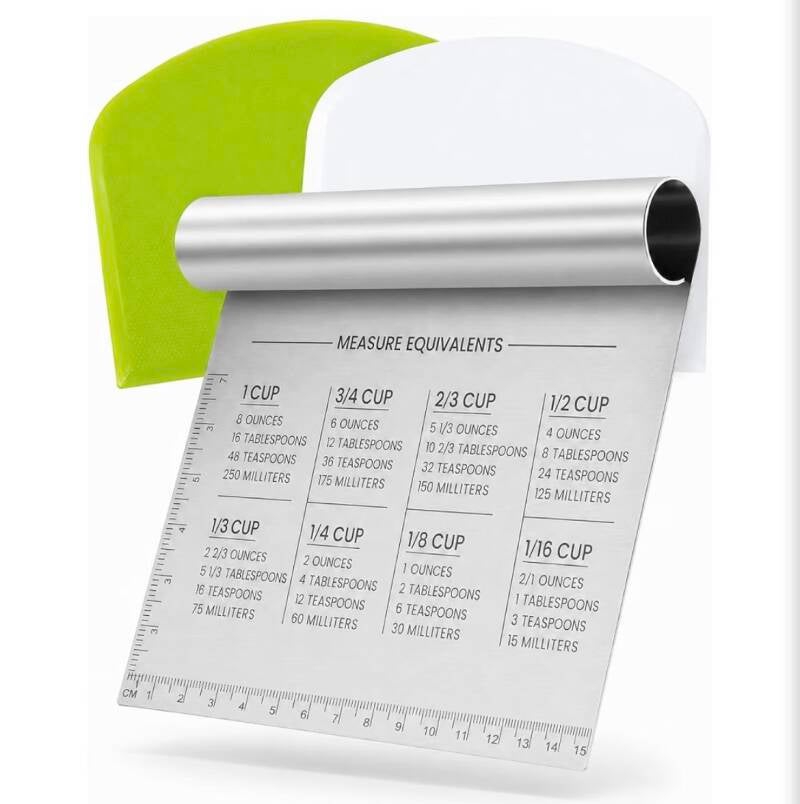
Bench scraper with measurements! ⬇️
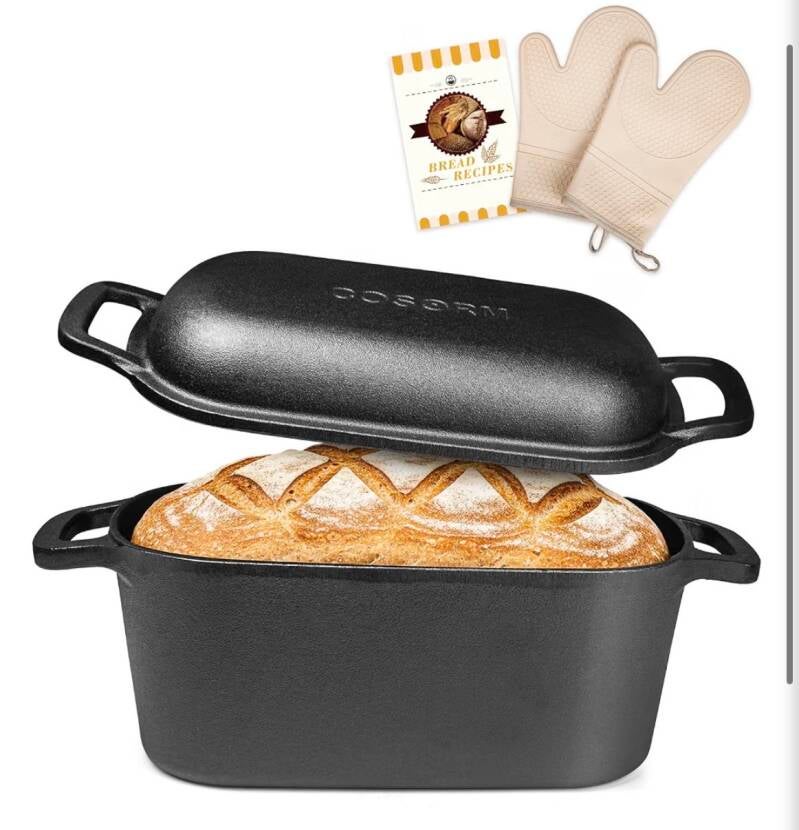
OVAL CAST IROM DUTCH OVEN⬇️
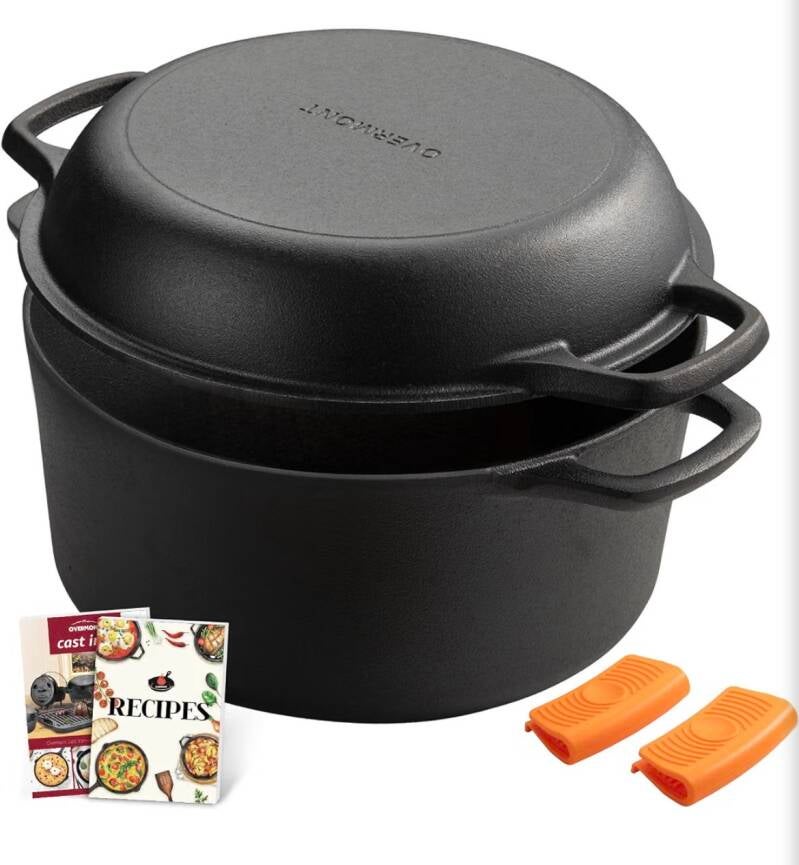
CICULAR CAST IRON DUTCH OVEN⬇️
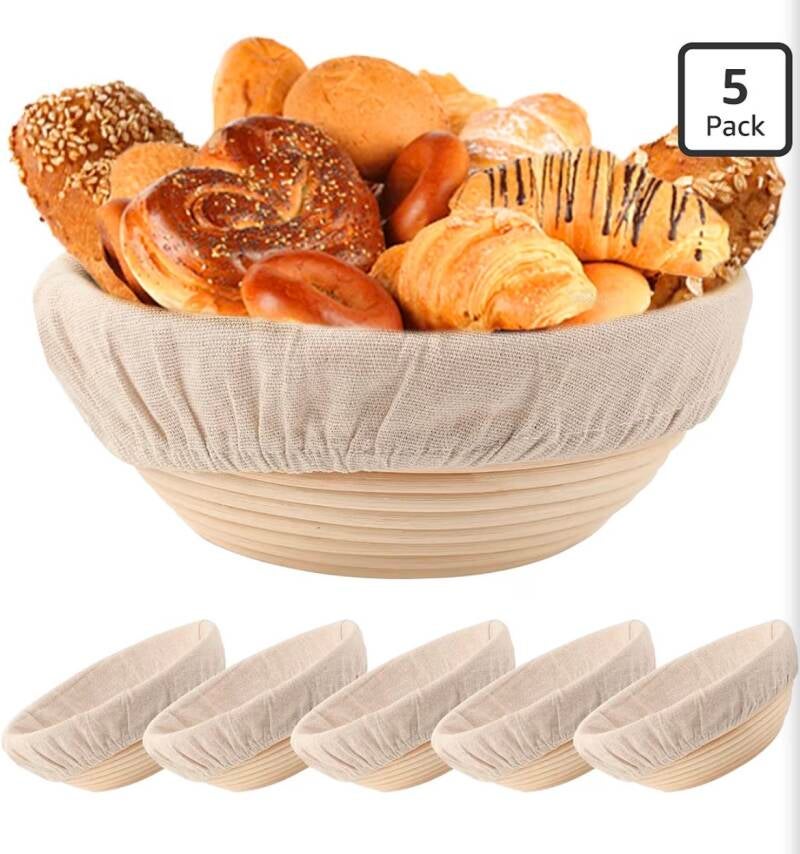
SET OF 5 CIRCULAR BANNETONS WITH REUSABLE LINEN LINERS⬇️